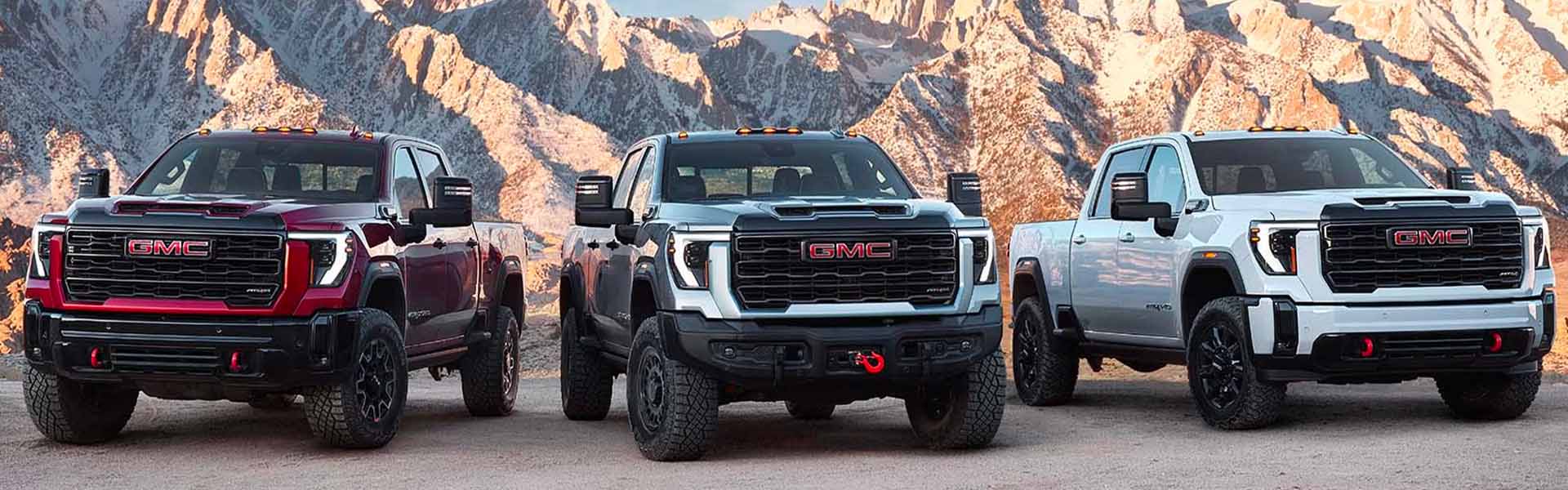


Why Diesel Maintenance Is Different
Diesel engines operate under higher compression than gasoline engines, which means the components work harder and require specific care. The Duramax® Turbo-Diesel uses a high-pressure fuel injection system that is sensitive to fuel quality and contamination. Neglecting routine service can lead to costly repairs down the road, so understanding what your truck needs—and when—makes a real difference.
Oil Changes & Fluid Checks
One of the most important and simple steps in diesel truck service is staying current on oil changes. The Duramax® engine unsurprisingly requires diesel-rated engine oil, and the change interval can differ from a gas-powered truck. GMC recommends following the Oil Life Monitoring System, which calculates change intervals based on your actual driving conditions rather than a fixed mileage schedule, taking your towing activity, road conditions, and even stop-and-go driving into account.
Beyond engine oil, your diesel truck depends on several other fluids: coolant, transmission fluid, brake fluid, and Diesel Exhaust Fluid (DEF). DEF is unique to diesel trucks with Selective Catalytic Reduction systems and must be topped off regularly to keep emissions systems functioning correctly.
Fuel System Care
The high-pressure fuel system on a Duramax® diesel is precise engineering, and it responds poorly to low-quality fuel or water contamination. Your Sierra HD has a fuel filter with a water separator that needs to be inspected and replaced on schedule—typically every 22,500 miles, though your owner's manual is the definitive source. Draining water from the separator when the warning indicator appears is a simple step that protects injectors that can otherwise be expensive to replace.
Using quality diesel fuel from reputable stations is equally important, especially during Central Pennsylvania winters when fuel gelling can become a concern. A fuel additive rated for cold-weather use can help prevent gelling when temperatures drop below freezing.
Air Filter & Turbocharger Maintenance
The Duramax® turbocharger relies on a clean air supply to function efficiently. A clogged air filter forces the turbo to work harder, which reduces power and fuel efficiency over time. Inspect the air filter at every oil change and replace it according to your maintenance schedule. If you frequently drive on unpaved roads or jobsites around State College, PA, you may need to replace it more often than the standard interval.
The turbocharger itself should be allowed to spool down properly after hard use. Avoid shutting off the engine immediately after towing or hauling at highway speeds—letting it idle for a few minutes allows oil to continue circulating and cooling the turbo bearings.
Brake & Exhaust System Inspections
Diesel trucks are heavy, and the Sierra HD's towing capacity puts significant demand on the brake system. Have your brake pads, rotors, and brake fluid inspected at least once a year. The exhaust aftertreatment system—including the Diesel Particulate Filter (DPF)—also needs attention. The DPF traps soot and periodically burns it off through a process called regeneration. Frequent short trips can prevent regeneration from completing, leading to a clogged filter. Highway driving helps the system clean itself naturally.
Trust a GMC-Certified Service Team
Keeping up with diesel truck service on a consistent schedule is the single most effective thing you can do to extend the life of your truck. The Certified technicians at Stocker GMC are trained specifically on GMC vehicles and have the tools and knowledge to service your Duramax diesel correctly. Whether you need a routine oil change or a more involved inspection, the team serving State College, PA, is ready to help you keep your truck in peak condition.