Blog / State College GMC Dealer

GMC Truck Payload vs. Towing Capacity: What's the Difference?

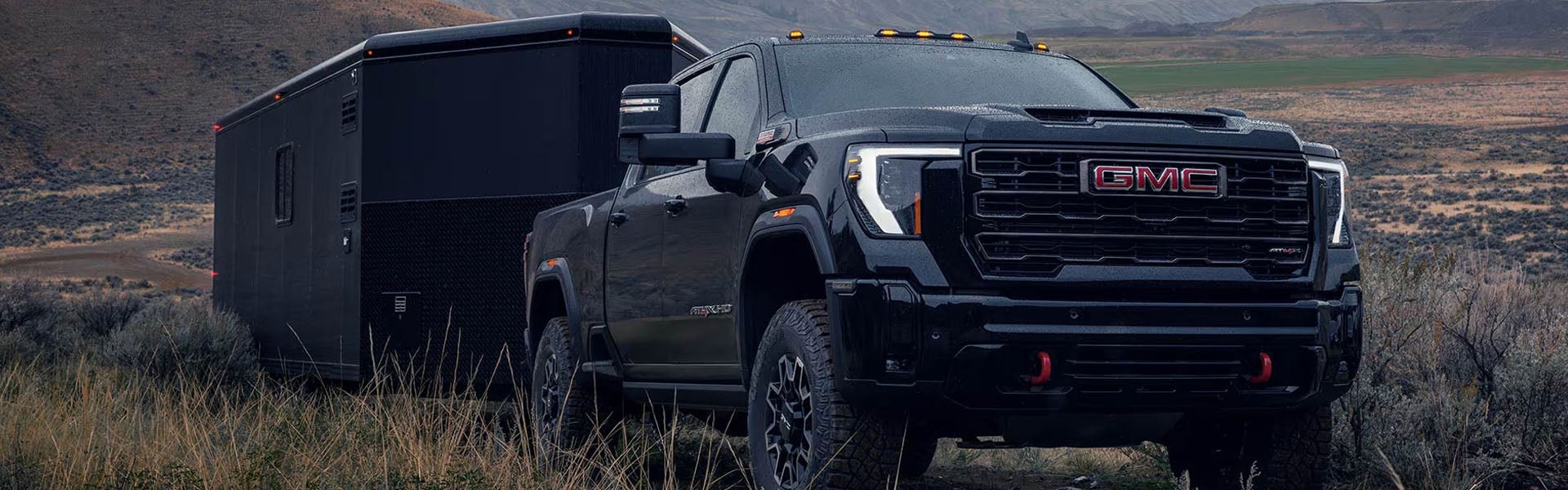
Black GMC Sierra HD AT4X towing an enclosed trailer.
If you've been shopping for a GMC truck for work or weekend adventures around State College, PA, you've probably noticed two numbers that come up constantly: payload capacity and towing capacity. Understanding the difference between payload vs. towing capacity is crucial before buying a truck - because choosing the wrong one for your needs can mean leaving capability on the table or, worse, overloading your vehicle.  

What Is Payload Capacity?


Payload capacity refers to how much weight your truck can carry inside the vehicle itself. That includes passengers, cargo in the bed, gear, tools, and anything else physically loaded onto the truck.

Every truck has a Gross Vehicle Weight Rating, or GVWR, which is the maximum total weight the truck is designed to handle - including its own curb weight. Subtract the truck's curb weight from its GVWR, and you get the payload capacity. On a GMC Sierra 1500, for instance, payload can reach up to 2,280 lbs. depending on configuration. The Sierra HD models push that number significantly higher, with the Sierra 2500 HD and 3500 HD capable of carrying well over 3,000 lbs. of payload in certain configurations.

What Is Towing Capacity?


Towing capacity is the maximum weight your truck can pull behind it using a trailer, boat, camper, or other towed load. This number is separate from payload and is determined by the truck's engine, transmission, frame, axle ratio, and hitch rating.

The GMC Sierra 1500 can tow up to 13,300 lbs. when properly equipped, making it a strong performer in the light-duty segment. Step up to the Sierra HD, and towing capacity climbs dramatically - the Sierra 3500 HD with the 6.6L Duramax® Turbo-Diesel V8 can tow up to 36,000 lbs. when configured as a gooseneck or 5th-wheel setup. That's a completely different class of capability built for serious hauling jobs.

Why the Difference Matters


Here's where many truck shoppers get tripped up: payload and towing capacity are not interchangeable. When you're towing a trailer, the tongue weight - the downward force the trailer exerts on your hitch - actually counts against your payload, not your towing capacity. So if you're towing a heavy trailer and also carrying passengers and gear, both limits apply simultaneously.

Exceeding either rating is unsafe and can cause handling problems, brake failure, or structural damage. Always check the specific payload and towing ratings for your exact truck configuration, since cab style, bed length, engine choice, and axle ratio all affect the final numbers.

Choosing the Right GMC Truck for Your Needs


If you primarily haul heavy loads in the bed - think landscaping materials, equipment, or construction supplies - payload capacity should be your priority. A Sierra HD with a higher GVWR may be the right fit.

If you're towing a large boat, horse trailer, or RV, towing capacity takes center stage. The Sierra 1500's available 5.3L or 6.2L V8 engines deliver strong towing performance for recreational use, while the Sierra HD's diesel powertrain is designed for commercial and heavy-duty towing demands.

Many drivers in State College, PA need a truck that does both - and GMC's lineup is built with that in mind, offering multiple configurations so you can match the truck to the actual work.

Visit Stocker GMC to Find Your Match


Now that you understand the difference between GMC payload vs. towing capacity, the next step is finding the specific truck and configuration that fits your lifestyle. The team at Stocker GMC in State College, PA, can walk you through the Sierra 1500 and Sierra HD lineup, help you identify the right engine and axle options, and make sure you leave with a truck that's built for the job. Visit [https://www.stockergmc.com/](https://www.stockergmc.com/) to explore inventory and get started today. 
Posted in:

Related Posts

GMC Sierra pickup truck driving on a scenic road.

2027 GMC Sierra 1500 Trim Levels Explained: Which One Is Right for You?

The 2027 GMC Sierra 1500 is one of the most capable and well-equipped light-duty pickups on the market, and a big part of what makes it stand out is the range of trim levels available. From a no-nonsense work truck to off-road warriors and luxury hauler with a massage feature, there’s a configuration designed to match nearly every lifestyle and budget. Here’s a closer look at what each trim brings to the table for State College, PA drivers. GMC Sierra 1500 Pro: The Capable Starting Point The Pro is where the GMC Sierra 1500 trim levels begin. Do not let the entry-level status fool you—this trim is well-equipped for daily work and weekend use, able to tow up to 9,400 lbs. with its standard enhanced TurboMax™ engine. It comes with a 16.3” Premium GMC Infotainment System that runs on Google Built-in, a 12.2” Driver Information Center, and an HD rear vision camera. A Trailering Package is also included, making it ready to haul right from the start. Sierra 1500 Elevation: Comfort Meets Capability Stepping up to the Elevation brings a noticeable jump in interior comfort and tech features. Beyond its striking blacked-out exterior design, you’ll find heated front seats, a heated steering wheel, and dual wireless charging. The front bucket seats boast a new MultiPro® Center Console, that brings the versatility of the MultiPro® Tailgate inside. Speaking of which, the enhanced MultiPro® Tailgate has 4 new built-in tie-downs included, bringing it up to 16. One of the coolest new features in the Elevation is that its 16.3” center screen has a class-exclusive articulating design—and that reveals hidden storage. For drivers who want more than the basics without jumping into the off-road or luxury segments, the Elevation hits a strong middle ground. AT4 & AT4X: Built for the Trail The AT4 transitions the Sierra 1500 firmly into off-road territory. It features an all-new 5.7L V8 engine with 402 hp and 428 lbs.-ft. of torque, able to tow up to 13,500 lbs. It features a 2” factory-installed lift, monotube shocks, 34” all-terrain tires, and an auto-locking rear differential to take on any of the wide array of landscapes around PA. Super Cruise® hands-free driver assistance technology with trailering capability comes standard. A 3-year OnStar® One plan bundles entertainment, safety, and connectivity into one with features like 24-hour roadside assistance, an in-vehicle Wi-Fi® hotspot, and streaming services. The AT4X is for the extreme explorer. It’s the only trim in its class to offer both front and rear electronic locking differentials, and it adds Multimatic DSSV® dampers, new 35” MT tires, and an AT4X-exclusive Baja Drive Mode for high-speed sandy adventures. The available underbody cameras with a wash function give you crystal-clear visibility of obstacles to conquer. A segment-exclusive 3.0L Duramax® Turbo-Diesel engine is also available on this trim for maximum durability and efficiency. Denali and Denali Ultimate: Refined Luxury in a Pickup The Denali trim brings the luxury experience to the GMC Sierra 1500 trim lineup. It includes the 5.7L V8 and Denali Premium Suspension with Adaptive Ride Control for a potent, silky-smooth drive. Inside, 12-way power heated and ventilated front seats settle you in, while a 15” multicolor Head-Up Display, a panoramic sunroof, and standard Super Cruise® surround you in high-end features. The Denali Ultimate goes above and beyond. It’s powered by the all-new 6.6L V8 - the most powerful naturally aspirated V8 in its class - delivering 481 hp and 501 lbs.-ft. of torque. The cabin adds a massage feature with lumbar support to those heated and ventilated front seats, upgrades to a 16-speaker Bose® Premium Series audio system with head-restraint speakers, and adds an 11.5” front passenger display - the largest in its class. Which Sierra 1500 Trim Is Right for You? Whether you need a workhorse, a trail-ready off-roader, or a premium daily driver, the GMC Sierra 1500 trim levels cover every need. Drivers in State College, PA can explore the full Sierra 1500 lineup at Stocker GMC. Visit us to browse inventory, compare trims, and find the Sierra that fits your life.

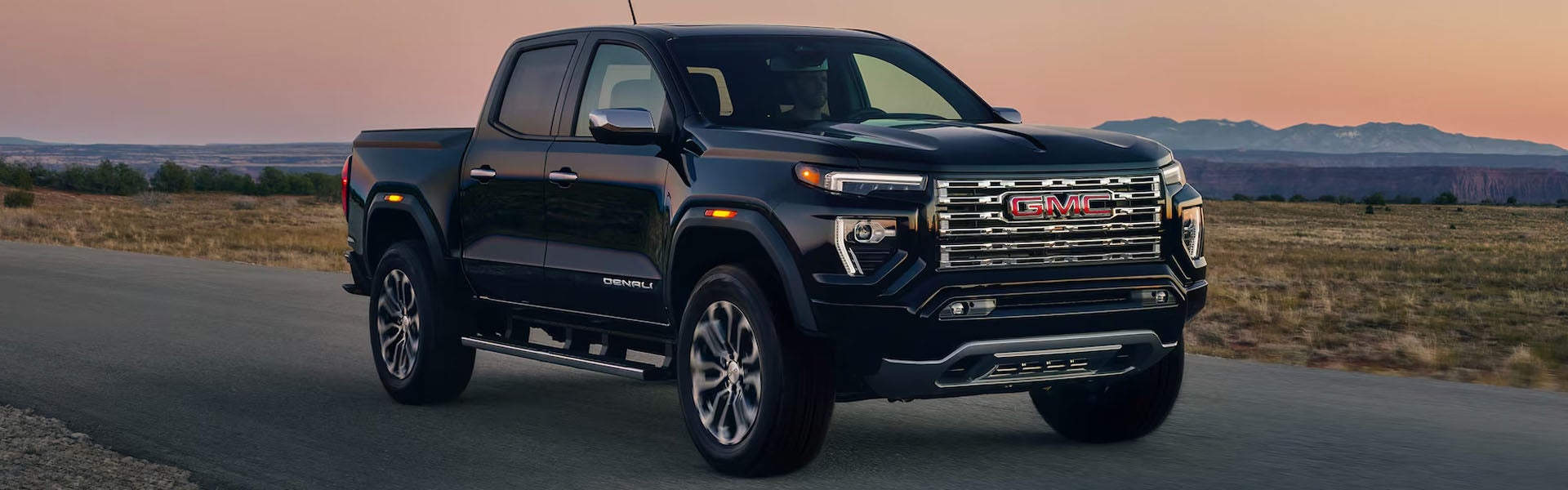
Black GMC Canyon pickup truck driving on a scenic road.

GMC Canyon vs Sierra: Two Great Trucks, One Big Decision

If you've been weighing the GMC Canyon vs. Sierra for your jobs, projects, trailblazing, or everyday family stuff in State College, PA, you're already on the right path. These two great trucks each bring a lot to the table, but they serve different drivers with different needs. Whether you prioritize off-road capability, towing muscle, everyday practicality, or premium refinement, understanding what sets these two apart will help you make the right call. What Kind of Truck Do You Need? How will you actually use your GMC pickup day to day? There’s a significant size and power difference between the midsize Canyon and full-size Sierra 1500. If you regularly haul heavy loads, tow large trailers, or simply want the extra presence of a full-size truck, the Sierra is built for that lifestyle. But if you're looking for something more maneuverable around town that can handle weekend projects and rec vehicles with ease, the Canyon is a strong contender. Don’t forget, that Canyon vs. Sierra size difference also comes into play when it comes to parking, garage fit, and navigating tighter roads. GMC Canyon: Capability in a Midsize Package The 2026 GMC Canyon is midsize but mighty, powered by the TurboMax™ engine. This powertrain is meant to keep up with its larger competitors, delivering 310 hp and a Best-in-Class 430 lbs.-ft. of torque. It can tow up to 7,700 lbs., which covers most trailers, boats, and recreational gear. The Canyon lineup includes 4 trims—Elevation, rugged AT4 and AT4X, and the luxurious Denali—so there's a configuration for nearly every buyer. The AT4X is especially impressive for off-road enthusiasts, featuring a 3” factory lift, Multimatic DSSV® dampers, an exclusive Baja drive mode, and selectable front and rear electronic locking differentials. Inside, you'll find an 11.3” center touchscreen, wireless Apple CarPlay® and Android Auto™ compatibility, and up to 10 available camera views to help on trails and in tight spaces. GMC Sierra 1500: Full-Size Strength and Refinement The Sierra 1500 is GMC's full-size pickup, and it's designed for drivers who need more—more towing capacity, more payload, more cabin space, and more powertrain options. It's the right choice if you're hauling heavy equipment for work or regularly towing heavier loads that push past what a midsize truck can handle. With a 13,300-lb. towing capacity, that same TurboMax™ standard engine and a choice of 2 V8s or the long-haul-ready Duramax® Turbo-Diesel, it doesn’t shy away from a challenge. The Sierra also offers a far broader range of 8 trims so you can really tailor it to you needs. It starts with the workhorse Pro trim, adds a 13.4” multicolor touchscreen and 12.3” Driver Information Center in the SLE trim, as well as heated front seats and steering wheel, and adds more capability, more comforts, and more conveniences as you ascend the trim ladder. The ultra-luxurious Denali Ultimate shows off standard Super Cruise® hands-free driving tech, 420 hp, a signature Vader Chrome grille and exclusive 22” wheels, and 16-way heated, ventilated, massaging front seats in leather. For buyers doing a deep GMC pickup comparison, the Sierra typically wins on raw numbers—but it comes with a larger footprint and a higher price point. Canyon vs Sierra: Size, Price, and Everyday Use When you break down Canyon vs Sierra size differences, the Canyon's more compact dimensions make it easier to navigate congested areas and tighter parking situations. For drivers in State College, PA, where you might find yourself moving between downtown errands and weekend trail runs, that versatility can matter. From a budget standpoint, the Canyon Elevation starts at a lower price point than the Sierra 1500. If a GMC midsize truck checks all your boxes—and for many drivers it absolutely will—you can get into a well-equipped Canyon without stretching your budget to full-size territory. Which One Is Right for You? The GMC Canyon vs Sierra decision really comes down to your priorities. If you want proven off-road hardware, a more manageable size, and outstanding torque for a midsize, the Canyon is a smart pick. If maximum towing capacity, a full-size cab, and the broadest range of powertrain options matter most, the Sierra 1500 steps up to that challenge. Explore Both Trucks at Stocker GMC The best way to settle the GMC Canyon vs. Sierra debate is to get behind the wheel of both. Stop by Stocker GMC to explore current inventory, compare trims side by side, and find the truck that fits your life. Our team is here to help drivers throughout State College, PA make a confident, informed decision.

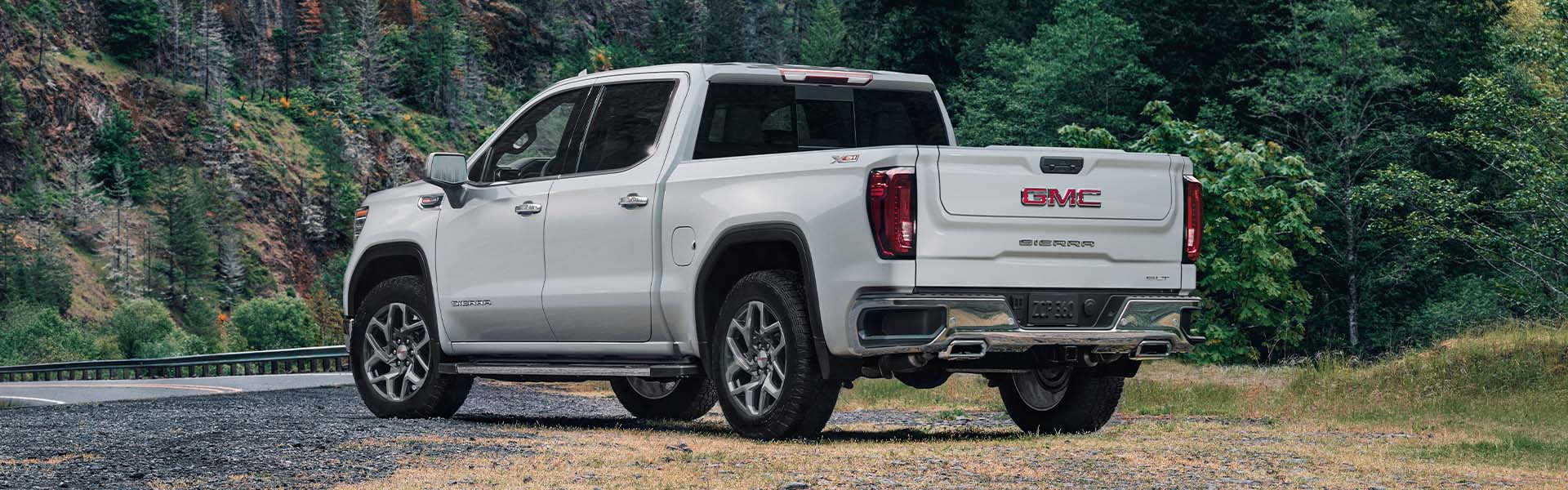
White GMC Sierra pickup truck parked near a forest road.

Used GMC Trucks: What to Look for Before You Buy

GMC trucks have a reputation for durability, strong towing capability, and long-term reliability. Whether you're drawn to the Sierra 1500 for everyday hauling or the Sierra HD for heavy-duty work, buying a used GMC truck can put a capable truck in your driveway at a lower cost. For drivers in State College, PA, the used truck market offers plenty of solid options - but knowing what to look for before signing anything can save you time, money, and frustration. Check the Vehicle History Report Before you get too excited about any used GMC truck, be sure to pull the vehicle history report. This gives you a clear picture of past ownership, accident history, title status, and odometer readings. A clean history is a great sign, but don't skip this step even if the truck looks perfect on the outside. Inspect the Body and Frame Used GMC trucks are built tough, but that doesn’t mean you shouldn’t check for wear and tear. Look carefully at the bed, rocker panels, and wheel wells for rust, especially if the truck was driven in regions where road salt is common. Check for uneven panel gaps or mismatched paint, which can indicate past collision repairs. A flashlight and a few minutes of close inspection can reveal a lot. Evaluate the Powertrain Pop the hood and check fluid levels, belts, and hoses. Look for oil residue or coolant leaks around hoses and gaskets. When you start the engine, listen for unusual ticking, knocking, or rough idling. Take the truck on a test drive that includes highway speeds, stop-and-go traffic, and some heavier acceleration. Test All Technology and Features GMC trucks are known for packing in useful technology, and you'll want to make sure everything works as intended on a used model. Test the touchscreen infotainment system, backup camera, air conditioning, power windows, and any available driver assistance features. Review Maintenance Records Ask the seller for service records. A well-maintained used GMC truck with consistent oil changes and documented repairs is a much safer buy than one with gaps in its history. Trucks that were serviced regularly are far more likely to hold up long after you drive them off the lot. If records aren't available, factor that uncertainty into your decision. Visit Stocker GMC for Your Next Used Truck Shopping for used GMC trucks doesn't have to feel overwhelming. With the right checklist and a trustworthy dealership on your side, you can find a truck that fits your needs and budget. Visit Stocker GMC online to browse current inventory and connect with a team that can help you find the right fit. Used GMC trucks offer outstanding value when you know what to look for. From inspecting the body and frame to verifying maintenance records and testing onboard technology, a thorough approach gives you confidence in your purchase. Stocker GMC is here to help you every step of the way.