


Blog / Maintenance Schedule

Tire Rotations and Maintenance Tips Every GMC Owner Should Know

Mechanic rotating a vehicle tire during an automotive service appointment.

Keeping your GMC in top shape starts with the basics, and tire rotations and maintenance tips are some of the most important things to stay on top of. If you drive a Sierra 1500, a Yukon, or a Canyon, routine care goes a long way toward protecting your investment and keeping you safe on the road. 

Why Tire Rotations are Important for Your GMC 

Tire rotations are one of the simplest ways to extend the life of your tires. Over time, your front and rear tires wear at different rates depending on your vehicle's weight distribution and drivetrain. Rotating them regularly helps even out that wear, so you get more mileage out of every set. 

Most automotive experts recommend rotating your tires every 5,000 to 7,500 miles. If you're not sure what's right for your specific model, your owner's manual will have the best guidance. Tire rotations and maintenance tips like this one are easy to overlook, but skipping them can lead to uneven wear, reduced traction, and a shorter tire lifespan overall. 

Other Routine Maintenance to Keep in Mind 

Beyond tire rotations, there are a few other service items that need regular attention. Oil changes, air filter replacements, brake inspections, and fluid top-offs all play a role in keeping your GMC performing at its best. 

For GMC owners in State College, PA, staying current with GMC maintenance tips means fewer surprises down the road. A well-maintained vehicle is also safer, more fuel-efficient, and holds its value better over time. 

Here's a quick breakdown of key maintenance items to stay on top of: 

  • Engine oil and filter changes help protect your engine from friction and buildup.  
  • Brake pad and rotor inspections keep your stopping power reliable, especially during harsh winter conditions.  
  • Cabin and engine air filters improve airflow and keep your interior air clean.  
  • Wiper blade replacements are especially important heading into rainy or snowy seasons. 

When to Visit a Certified Service Center 

Some maintenance tasks are easy to handle at home, but others are better left to trained professionals. GMC Certified Service technicians are trained specifically on GMC vehicles and use genuine GMC parts, which means your vehicle gets the precise care it was built for. 

Tire rotations and maintenance tips from certified technicians go beyond a simple checklist. A trained eye can catch small issues before they become costly repairs, from uneven wear patterns to early signs of brake wear or fluid leaks. 

If you've recently purchased a new GMC, your first service visit may already be covered. That's a great opportunity to establish a routine maintenance schedule and get familiar with what your vehicle needs. 

Keeping Track of Your Maintenance Schedule 

One of the best habits you can build as a GMC owner is keeping a record of your service history. Most GMC vehicles come equipped with an oil life monitoring system that alerts you when it's time for a change, but it's still smart to document each visit manually. 

So, if you're doing maintenance yourself or relying on a service center, consistency is key. Set reminders in your phone, keep service receipts in your glove box, and review your owner's manual for model-specific intervals. 

Visit Stocker GMC for Your Next Service Appointment 

Routine care doesn't have to be complicated. By staying current with tire rotations and maintenance tips, you'll help your GMC last longer, run better, and keep you safer on every drive. Drivers throughout State College, PA can count on the team at Stocker GMC for trusted, professional service. Visit us online to schedule your next appointment and explore current service offers.

Posted in:

Related Posts

Auto mechanic giving a thumbs-up beside an open car hood.

How Often Should You Follow a GMC Maintenance Schedule?

Keeping your GMC running the way it was built to requires more than just filling the tank and hitting the road. A consistent GMC maintenance schedule is one of the simplest ways to protect your vehicle, avoid unexpected repairs, and keep it performing at its best - no matter if you’re just driving through State College, PA, or heading out on a weekend adventure. Why a GMC Maintenance Schedule is Important Sticking to a GMC maintenance schedule is not just about following rules - it's about understanding what your vehicle needs and when. Regular GMC service helps catch small issues before they become costly problems. It also keeps your warranty in good standing and ensures your truck or SUV is always ready when you need it most. Skipping scheduled visits might seem harmless in the short term, but wear on fluids, filters, and components adds up fast. Oil Changes and Fluid Checks One of the most important parts of any maintenance schedule is staying current on oil changes. Most GMC vehicles use an Oil Life Monitoring System, which tracks driving conditions and alerts you when an oil change is needed rather than relying on a fixed mileage interval. As a general rule, plan to have your oil and filter changed when your system alerts you - typically somewhere between 3,000 and 7,500 miles depending on driving habits. During that visit, it's also a good time to check coolant, brake fluid, transmission fluid, and windshield washer fluid levels. Tire Rotation and Brake Inspection GMC recommends rotating tires every 7,500 miles to promote even tread wear and extend tire life. This service is often bundled with an oil change, making it easy to stay on schedule. Brake inspections should also happen regularly - at least once a year, or any time you notice changes in braking performance. Brake pads, rotors, and calipers take a lot of wear over time, and having them checked by a qualified technician is an important part of ongoing GMC maintenance. Annual and Higher-Mileage Services Beyond the basics, your GMC maintenance schedule should include periodic checks of the air filter, spark plugs, belts, and hoses. Air filters are typically replaced around 15,000 to 30,000 miles, depending on driving conditions. Spark plugs on many GMC engines can last up to 100,000 miles, but they should still be inspected regularly. Transmission service, coolant flushes, and differential fluid changes are also part of a complete GMC service plan at higher mileage intervals. Your owner's manual outlines the specific schedule for your model and engine, so it's always a good reference to keep handy. GMC Certified Service: Why It's Worth It Taking your vehicle to GMC Certified Service technicians means it's being cared for by professionals trained specifically on GMC vehicles. They use the right parts, tools, and procedures to keep your truck or SUV in top shape. Certified Service also covers a broad range of needs - from routine oil changes and tire rotations to more involved repairs and inspections. GMC even covers your first service visit when you purchase or lease a new GMC, which is a great way to start building a reliable maintenance habit from day one. Stay on Schedule With Stocker GMC Following a GMC maintenance schedule does not have to feel complicated. The key is simply to stay informed and not let routine services slide. When you know what your vehicle needs and when, you can plan ahead and avoid the kind of neglect that leads to bigger repairs down the road. If you're ready to book your next GMC service or want help understanding your vehicle's recommended maintenance intervals, the team at Stocker GMC is here to help. Visit us online to schedule your service appointment and keep your GMC running the way it was built to.

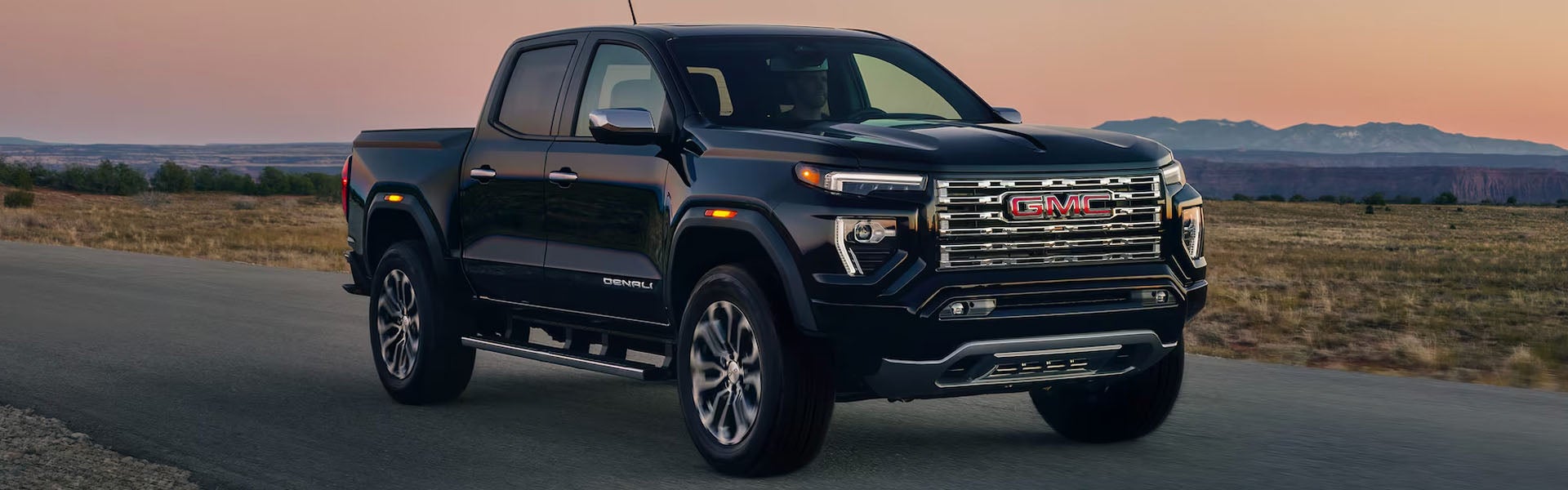
Black GMC Canyon pickup truck driving on a scenic road.

GMC Canyon vs Sierra: Two Great Trucks, One Big Decision

If you've been weighing the GMC Canyon vs. Sierra for your jobs, projects, trailblazing, or everyday family stuff in State College, PA, you're already on the right path. These two great trucks each bring a lot to the table, but they serve different drivers with different needs. Whether you prioritize off-road capability, towing muscle, everyday practicality, or premium refinement, understanding what sets these two apart will help you make the right call. What Kind of Truck Do You Need? How will you actually use your GMC pickup day to day? There’s a significant size and power difference between the midsize Canyon and full-size Sierra 1500. If you regularly haul heavy loads, tow large trailers, or simply want the extra presence of a full-size truck, the Sierra is built for that lifestyle. But if you're looking for something more maneuverable around town that can handle weekend projects and rec vehicles with ease, the Canyon is a strong contender. Don’t forget, that Canyon vs. Sierra size difference also comes into play when it comes to parking, garage fit, and navigating tighter roads. GMC Canyon: Capability in a Midsize Package The 2026 GMC Canyon is midsize but mighty, powered by the TurboMax™ engine. This powertrain is meant to keep up with its larger competitors, delivering 310 hp and a Best-in-Class 430 lbs.-ft. of torque. It can tow up to 7,700 lbs., which covers most trailers, boats, and recreational gear. The Canyon lineup includes 4 trims—Elevation, rugged AT4 and AT4X, and the luxurious Denali—so there's a configuration for nearly every buyer. The AT4X is especially impressive for off-road enthusiasts, featuring a 3” factory lift, Multimatic DSSV® dampers, an exclusive Baja drive mode, and selectable front and rear electronic locking differentials. Inside, you'll find an 11.3” center touchscreen, wireless Apple CarPlay® and Android Auto™ compatibility, and up to 10 available camera views to help on trails and in tight spaces. GMC Sierra 1500: Full-Size Strength and Refinement The Sierra 1500 is GMC's full-size pickup, and it's designed for drivers who need more—more towing capacity, more payload, more cabin space, and more powertrain options. It's the right choice if you're hauling heavy equipment for work or regularly towing heavier loads that push past what a midsize truck can handle. With a 13,300-lb. towing capacity, that same TurboMax™ standard engine and a choice of 2 V8s or the long-haul-ready Duramax® Turbo-Diesel, it doesn’t shy away from a challenge. The Sierra also offers a far broader range of 8 trims so you can really tailor it to you needs. It starts with the workhorse Pro trim, adds a 13.4” multicolor touchscreen and 12.3” Driver Information Center in the SLE trim, as well as heated front seats and steering wheel, and adds more capability, more comforts, and more conveniences as you ascend the trim ladder. The ultra-luxurious Denali Ultimate shows off standard Super Cruise® hands-free driving tech, 420 hp, a signature Vader Chrome grille and exclusive 22” wheels, and 16-way heated, ventilated, massaging front seats in leather. For buyers doing a deep GMC pickup comparison, the Sierra typically wins on raw numbers—but it comes with a larger footprint and a higher price point. Canyon vs Sierra: Size, Price, and Everyday Use When you break down Canyon vs Sierra size differences, the Canyon's more compact dimensions make it easier to navigate congested areas and tighter parking situations. For drivers in State College, PA, where you might find yourself moving between downtown errands and weekend trail runs, that versatility can matter. From a budget standpoint, the Canyon Elevation starts at a lower price point than the Sierra 1500. If a GMC midsize truck checks all your boxes—and for many drivers it absolutely will—you can get into a well-equipped Canyon without stretching your budget to full-size territory. Which One Is Right for You? The GMC Canyon vs Sierra decision really comes down to your priorities. If you want proven off-road hardware, a more manageable size, and outstanding torque for a midsize, the Canyon is a smart pick. If maximum towing capacity, a full-size cab, and the broadest range of powertrain options matter most, the Sierra 1500 steps up to that challenge. Explore Both Trucks at Stocker GMC The best way to settle the GMC Canyon vs. Sierra debate is to get behind the wheel of both. Stop by Stocker GMC to explore current inventory, compare trims side by side, and find the truck that fits your life. Our team is here to help drivers throughout State College, PA make a confident, informed decision.

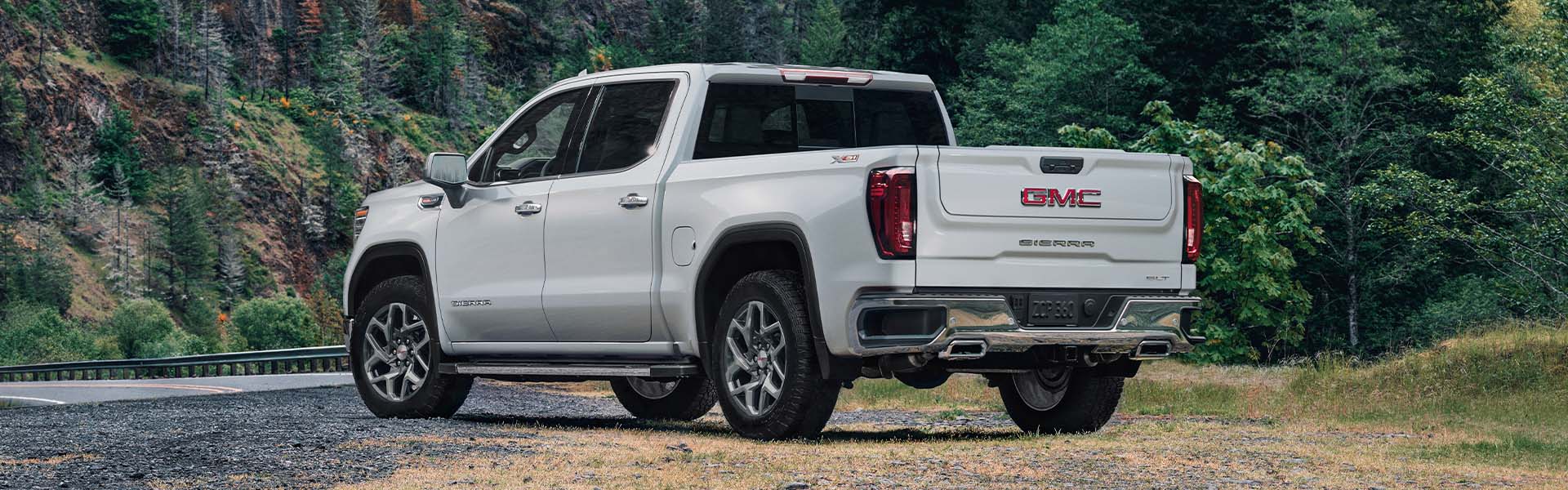
White GMC Sierra pickup truck parked near a forest road.

Used GMC Trucks: What to Look for Before You Buy

GMC trucks have a reputation for durability, strong towing capability, and long-term reliability. Whether you're drawn to the Sierra 1500 for everyday hauling or the Sierra HD for heavy-duty work, buying a used GMC truck can put a capable truck in your driveway at a lower cost. For drivers in State College, PA, the used truck market offers plenty of solid options - but knowing what to look for before signing anything can save you time, money, and frustration. Check the Vehicle History Report Before you get too excited about any used GMC truck, be sure to pull the vehicle history report. This gives you a clear picture of past ownership, accident history, title status, and odometer readings. A clean history is a great sign, but don't skip this step even if the truck looks perfect on the outside. Inspect the Body and Frame Used GMC trucks are built tough, but that doesn’t mean you shouldn’t check for wear and tear. Look carefully at the bed, rocker panels, and wheel wells for rust, especially if the truck was driven in regions where road salt is common. Check for uneven panel gaps or mismatched paint, which can indicate past collision repairs. A flashlight and a few minutes of close inspection can reveal a lot. Evaluate the Powertrain Pop the hood and check fluid levels, belts, and hoses. Look for oil residue or coolant leaks around hoses and gaskets. When you start the engine, listen for unusual ticking, knocking, or rough idling. Take the truck on a test drive that includes highway speeds, stop-and-go traffic, and some heavier acceleration. Test All Technology and Features GMC trucks are known for packing in useful technology, and you'll want to make sure everything works as intended on a used model. Test the touchscreen infotainment system, backup camera, air conditioning, power windows, and any available driver assistance features. Review Maintenance Records Ask the seller for service records. A well-maintained used GMC truck with consistent oil changes and documented repairs is a much safer buy than one with gaps in its history. Trucks that were serviced regularly are far more likely to hold up long after you drive them off the lot. If records aren't available, factor that uncertainty into your decision. Visit Stocker GMC for Your Next Used Truck Shopping for used GMC trucks doesn't have to feel overwhelming. With the right checklist and a trustworthy dealership on your side, you can find a truck that fits your needs and budget. Visit Stocker GMC online to browse current inventory and connect with a team that can help you find the right fit. Used GMC trucks offer outstanding value when you know what to look for. From inspecting the body and frame to verifying maintenance records and testing onboard technology, a thorough approach gives you confidence in your purchase. Stocker GMC is here to help you every step of the way.